 Give a Gift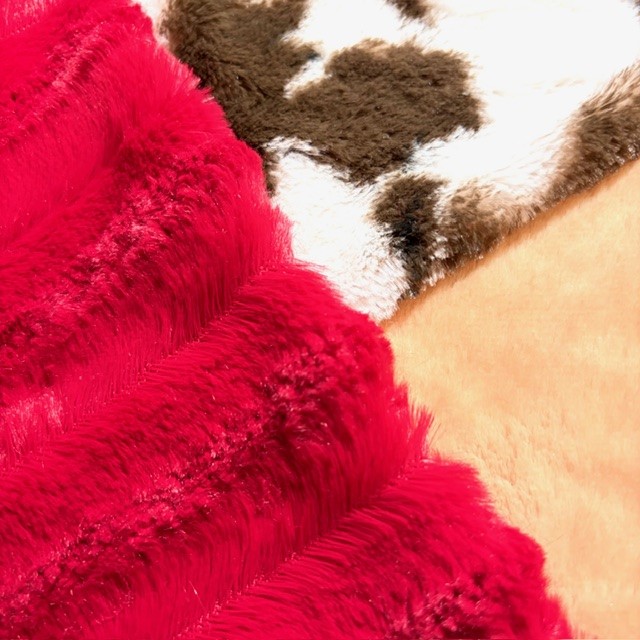
All photos in this article are provided by the designer.
Editor’s Note: The designer used contrasting threads to better illustrate sewing on minky fabric.
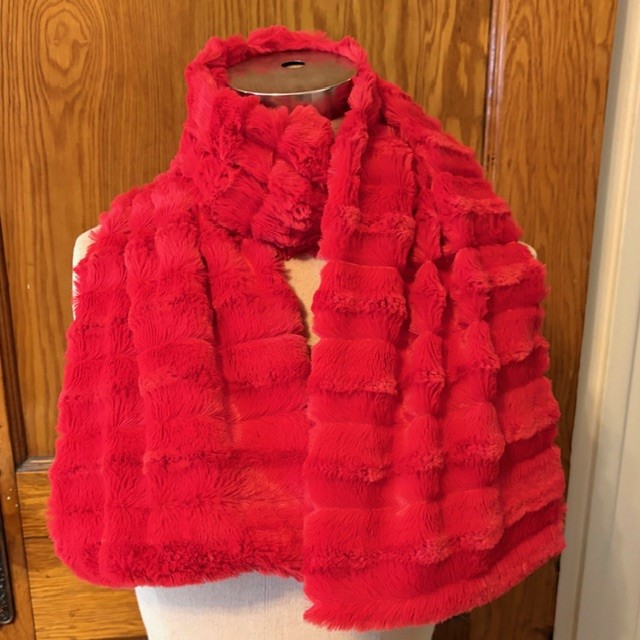
Minky fabric is a sewing favorite of many because it’s so soft and luxurious. It can be found in a variety of colors and even patterns, and it’s also easy to sew with a few pointers! In this article, we will discuss the uses and history of minky fabric, how to properly cut and sew it, as well as tips to prevent shedding and mess. Continue reading to learn all about working with minky faux fur material!
What Is Minky Fabric?
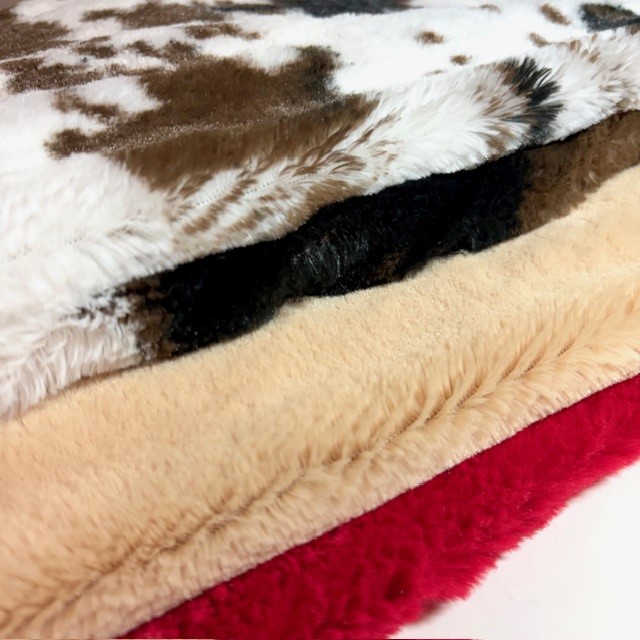
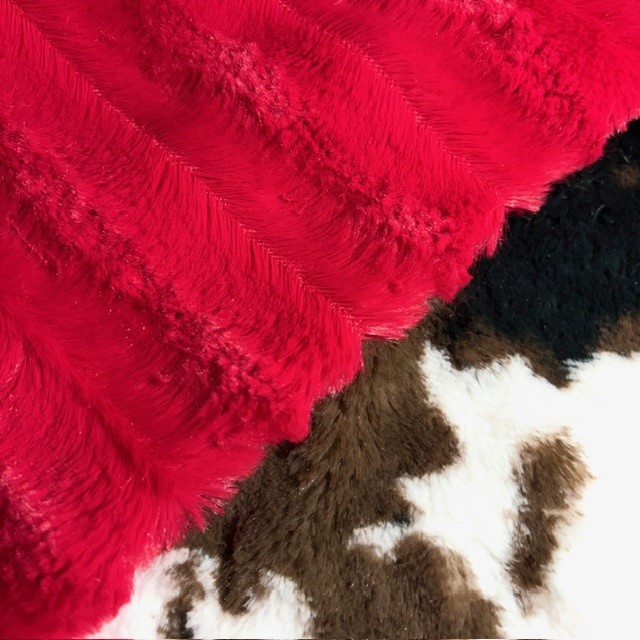
Minky is a type of fake (or “faux”) fur fabric made from polyester. Even though it’s named for the soft mink animal, this fabric is animal-friendly and totally synthetic! It is characterized by a very short pile (the length of the fur fibers), which gives it an extra-soft feel. Minky often has a raised pattern or design, though not always. These effects vary from dots to floral to plaid! Minky fabric is typically used for home décor projects (like pillows and throw blankets), fashion accessories and garments (like vests and mittens), and much more. It comes in rolls that are cut by the yard, and is almost always single-sided with the fur design only on the top.
Pinning Minky Fabric
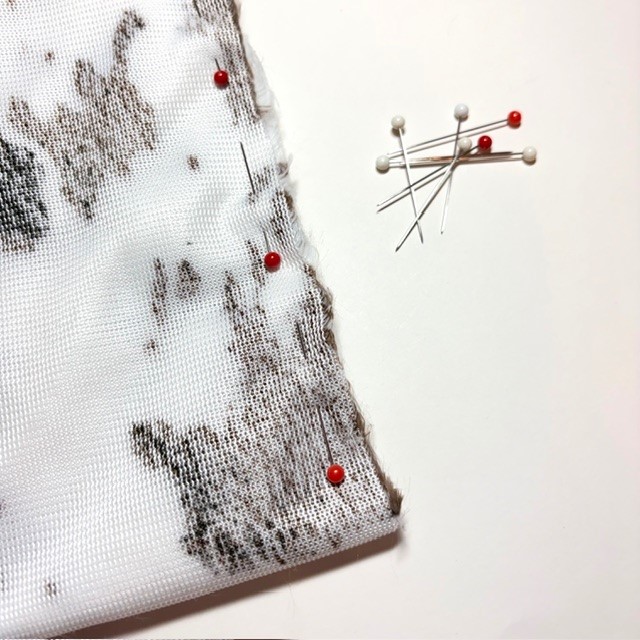
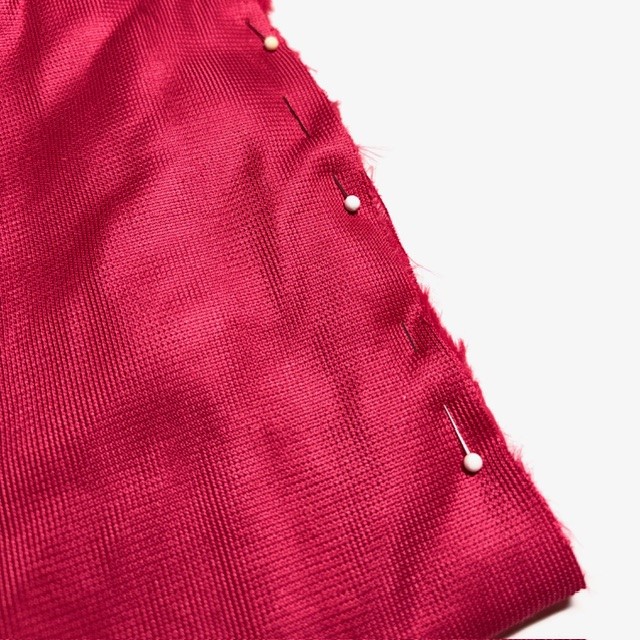
This kind of fabric can be slightly slippery due to its polyester content. To prevent sliding and inaccurate seams, it should be pinned (or clipped) before cutting and sewing. Keep pins in the seam allowances so the minky doesn’t get marked or damaged. Minky fake fur has a relatively short pile compared to other types, so it probably won’t need to be trimmed to reduce bulk in the seam allowances.
Cutting Minky Fabric
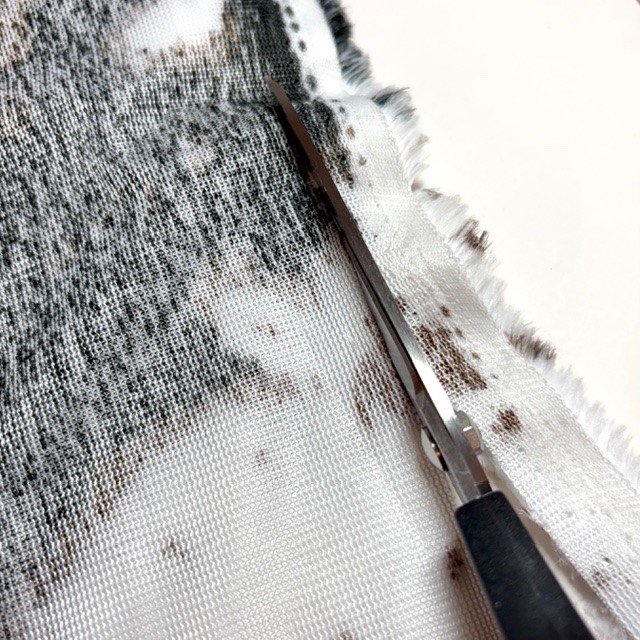
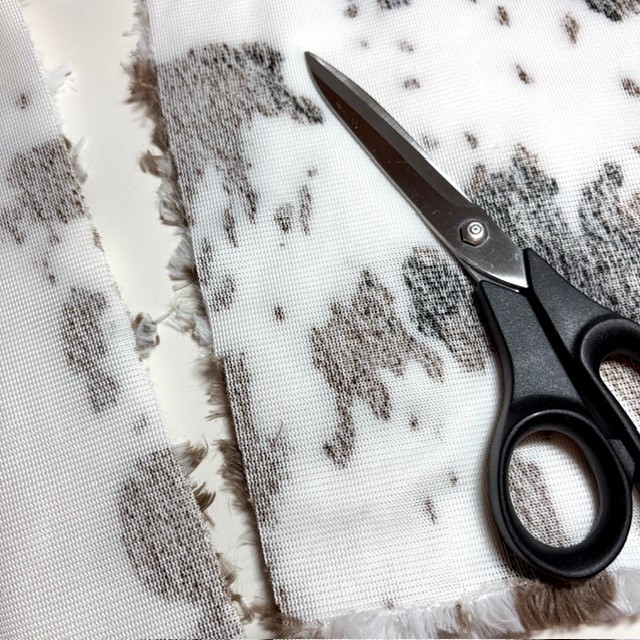
As with other kinds of faux fur material, minky should be cut carefully to avoid damage to the fabric and a mess. Cutting it precisely will prevent waste, maximizing your fabric budget! Use either fabric shears or a rotary cutter (and mat) to cut minky fabric. Depending on personal preference, minky can be pinned and cut with either with the right side facing upwards or facing downwards. Generally, placing the fabric facing downwards before cutting will provide a cleaner result (as it’s easier to see when cutting).
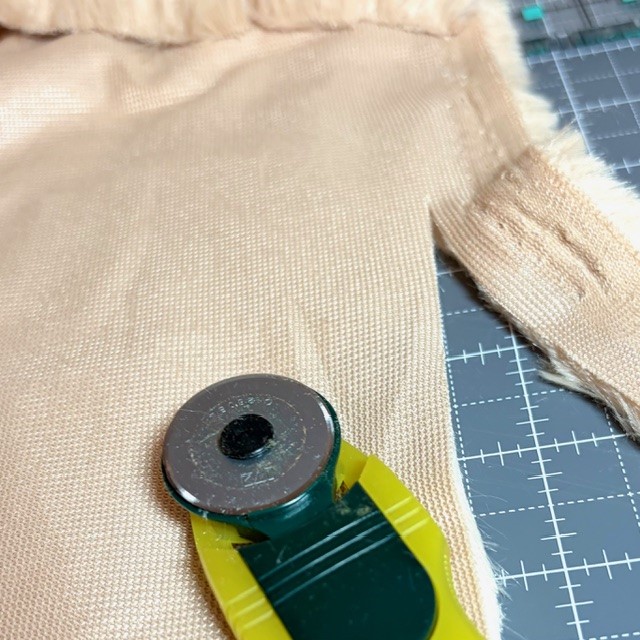
Machine-Sewing Minky Fabric
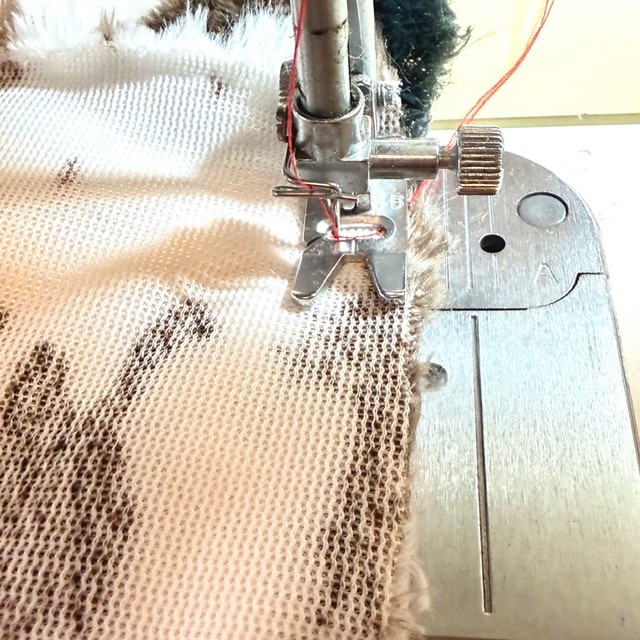
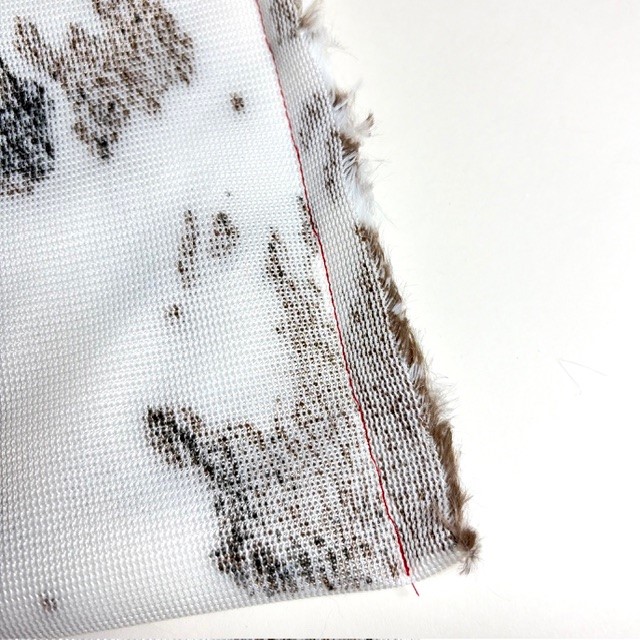
Almost all minky sewing projects can be done on a sewing machine. The key to success when sewing minky (and other kinds of faux fur) is to take your time and leave enough space under the needle for the fabric to pass through evenly. Fake furs tend of be bulkier than most materials, so create a few test swatches if you’re new to sewing minky to check the various settings on your machine. As for supplies and settings, a regular all-purpose thread can be used and a walking foot is a good choice for machine-sewing slippery minky material. It allows the fabric to move smoothly and evenly without getting bunched up. Also, if the minky is stretchy and sliding around, consider using a stretch or ball point needle (in size 90/14 or so). A slighter longer stitch length (anywhere from about 3-4.5) will be needed when sewing minky.
If minky fabric keeps getting stuck when sewing on your machine, stop using the device and switch to hand-sewing. This will prevent damage to both the material and your sewing machine.
Hand-Sewing Minky Fabric
Minky can also be sewn by hand! Stitching a whole faux fur item by hand can take much longer than sewing it by machine, but it can be done with time and patience. Approach hand-sewing minky just like machine-sewing it. This includes staying in the seam allowances, pinning carefully, and using a matching thread that blends in. Additionally, working on a large table and laying the minky garment down flat will also create the best result.
Occasionally, areas will need to be hand-sewn, like a minky coat’s hem. Or sometimes the fabric is too thick to fit under the sewing machine’s foot. In these types of instances, the hand stitches should be even and clean so there aren’t wrinkles. As always, pin (or clip) and then double-check your measurements before sewing.
No fancy needles or thread are needed to sew minky by hand! An all-purpose polyester thread and medium-thickness hand needle (like a 9 or 10 size) will work for most minky fabrics. Double-up the thread to provide extra strength when sewing!
Caring for Minky Fabric
As with other kinds of fake fur, minky should be washed gently and not exposed to heat for extended periods of time. This can distort the fibers and ruin the soft effect of the fabric. Minky should also not be machine-dried. It can be gently ironed with a towel or other cloth placed between the faux fur and the iron.
Preventing Mess
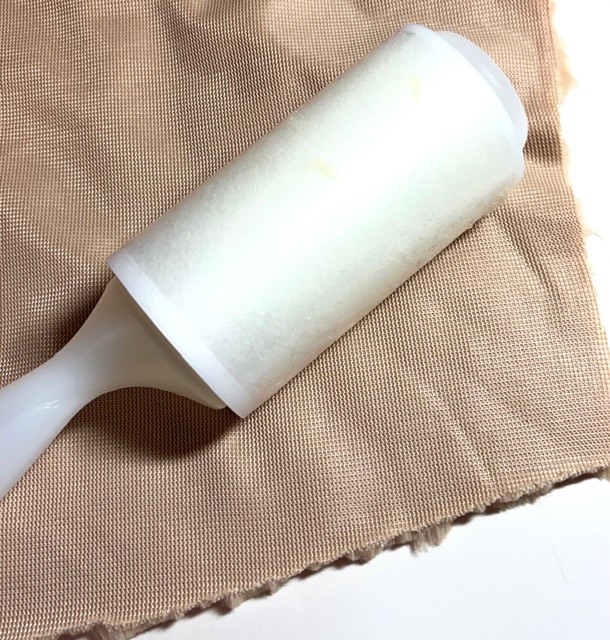
There will still always be some shedding and debris from the fabric’s fibers, so use a vacuum and lint roller to remove excess fur in your studio. Shaking off the minky will also get off loose pieces, making for less to clean up later. The cut fibers can become airborne, so a mask is a good idea when working with large amounts of minky material. Be sure to also regularly dust off and clean your sewing machine when working with minky as the fibers can get inside the machinery.
Enjoy working with minky faux fur for your next project!