 Give a Gift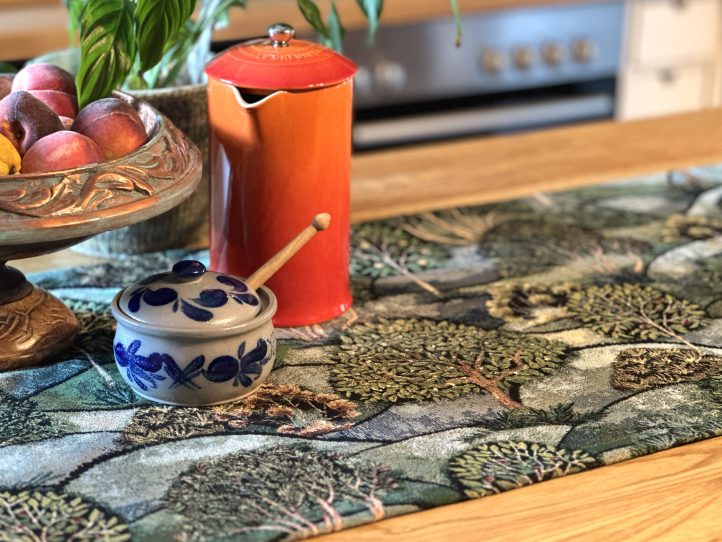
All photos provided by the designer.
Not all our sewing projects have to be done with ‘proper’ fabrics. By proper, I mean the sorts of fabrics that you buy either as a fat quarter or off the bolt. Have you ever thought about sewing with furnishing fabrics? With curtain offcuts? No? Let me introduce you to the joys of the remnant bin!
What Are Furnishing Fabrics?
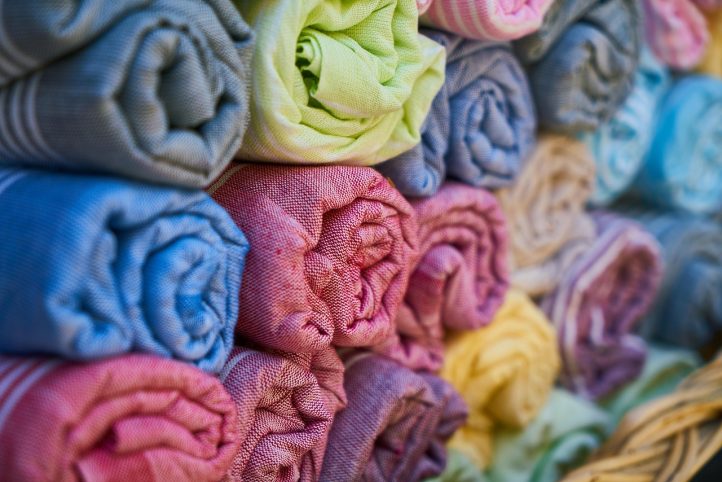
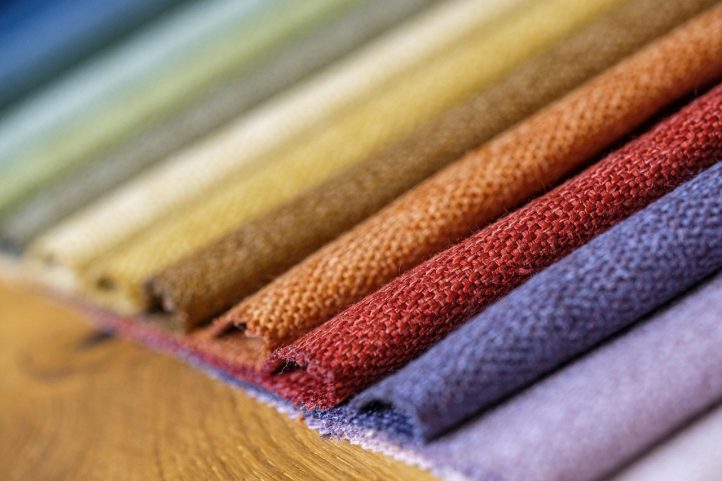
First of all, what is a furnishing fabric? It is the sort of material that we might use to make curtains or to cover a sofa. It is often heavier duty and not always pure cotton. Usually this last point matters and I am constantly writing about not using mixed fiber fabrics such as cheap dress fabrics made from poly-cotton. So I am feeling slightly hypocritical sending you off to buy something that I KNOW is not pure cotton but with furnishing fabrics, allowances have to be made because at their heart, these fabrics are made to be easy care; imagine sticky fingers or paws on a sofa. You cannot bundle the whole sofa into a washing machine so something that is wipeable is a real asset.
Strangely enough, the heavier duty nature of furnishing fabrics makes the fact that they are often mixed fiber or all artificial more forgivable. So does this mean that you can use all furnishing fabrics and all will be forgiven? Sadly, not really. Very light ones or poor quality cheaper ones can fall under the heading of “not worth the while” and really light chiffons and gauzes are not easy to sew unless you have some next level skills and a sewing machine that likes you a whole lot.
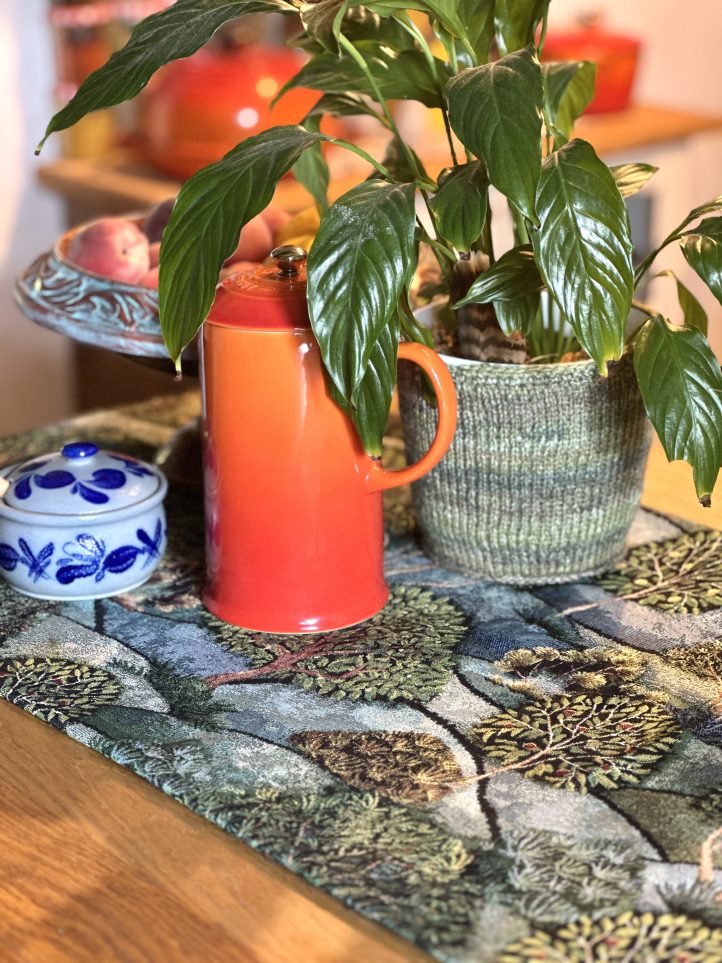
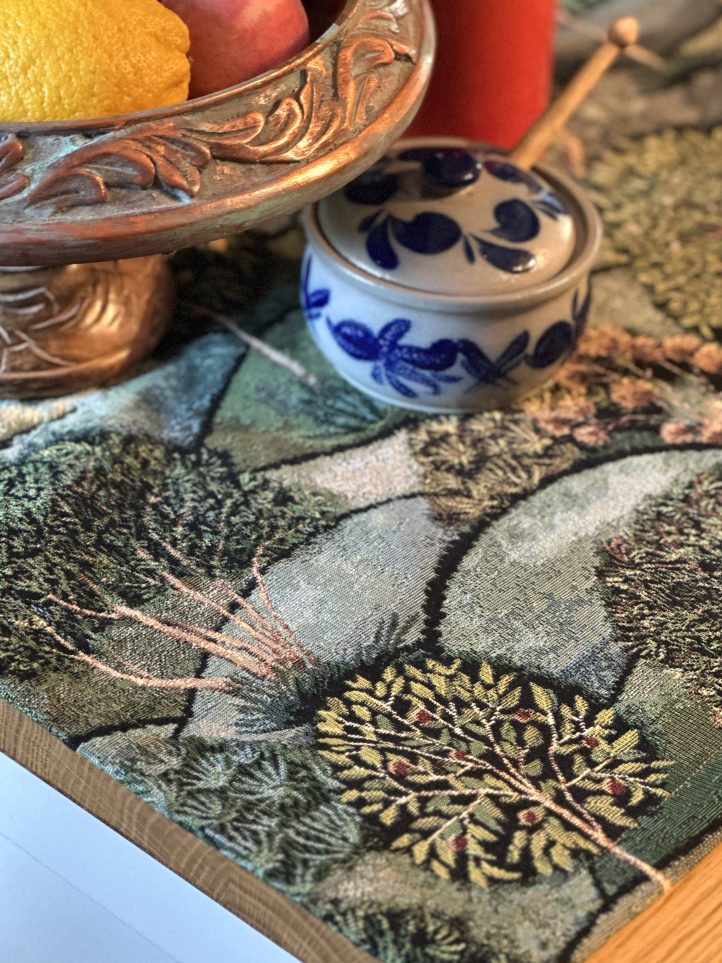
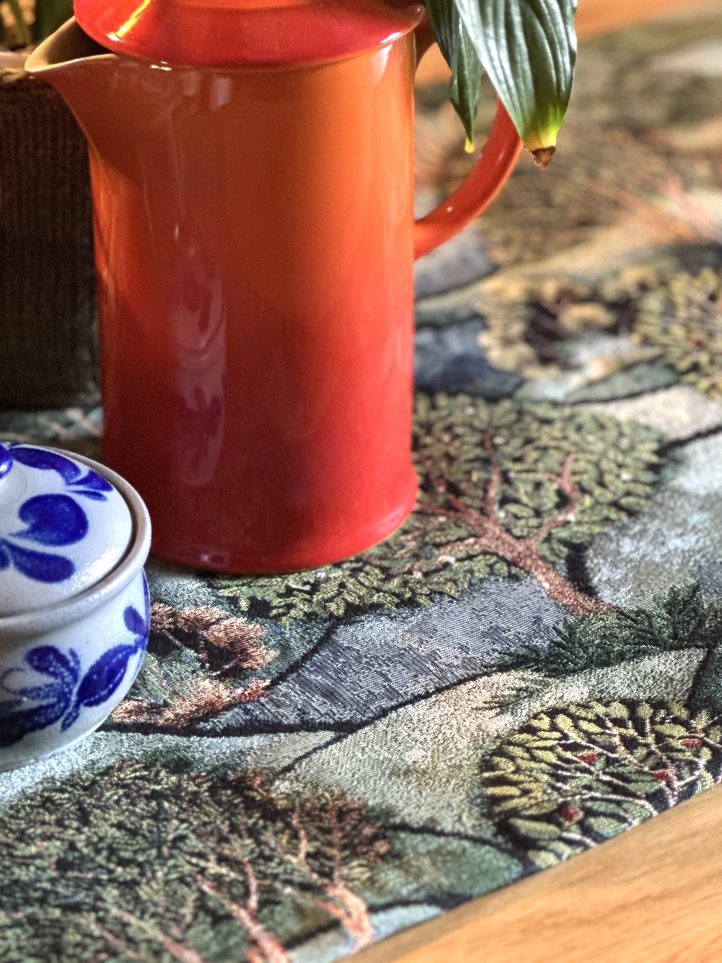
In the pattern this time, I am using Gobelin fabric, which is like a tapestry material and contains close to zero natural products. I guess that we can call it vegan and because it is a heavier fabric, it is a dream to sew. Unlike cheap poly-cotton dress fabric, it has a bit of heft, which means that it doesn’t get chewed up in the sewing machine and it is washable. It is wipeable in many cases which has the aforementioned sofa in mind but it is rather handy in a table cloth, too, if you are quick with a wine or coffee spill.
So snobbery aside, if we are talking heavier fabric, the fiber makeup is not so important and I think that you would really struggle to find some fabrics with natural fibers, especially if you are on a strict budget. There are linens and wools and I have been lucky enough to find these in a remnant bin so rummage right to the bottom!
And speaking of, if we are happy to treasure hunt for furnishing fabrics, we have another asset- they are often found in sew-able quantities in remnant bins. By sew-able quantities I mean enough to make a decent sized cushion or runner. I have chosen to show you how I turned a half yard of really pretty fabric into a runner because that also means that I get to show you a really easy method for mitering the corners for a professional flourish and this is a skill that you can use to make tablecloths and napkins.
A half yard of regular fabric would not be considered a remnant or offcut so you would not see it in the remnant bin. It is more than enough to make a lot of things and in the quilting world, it is enough for a whole project so you are not likely to get it cheap. However, in the world of curtains and armchair coverings, a half yard is not good for very much at all so it is often the end of the bolt and put into the bargain bin at quite a good discount. It is all a matter of perspective- you can make 20 purses from a half yard of fabric but if you need 25 yards of fabric to make curtains, a half yard is less than useless. Not useless to us though so we can grab a real bargain!
Sewing Furnishing Fabrics
There is not much that you need to know about sewing with slightly heavier furnishing fabrics. We are not making yacht sails here so your regular machine should do the job. You might need a slightly heavier needle but other than that, you are almost certainly good to go. I would use an ironing cloth because some of them will go shiny with the heat of the iron and that is an unattractive admission that they are made of man-made fibers (that is my one snobbery point used up). But otherwise, they are pretty easy going.
I want to show you how to make a runner from some Gobelin fabric and I am using some with a directional print. Not ideal because if this runner was to go onto a dining table, it would be upside down for half the guests. But beggars cannot be choosers with remnants (you get what you get sometimes but that is half the fun of a treasure hunt) so we are going to make it anyway and it is a perfect runner to go onto a dresser or sideboard against a wall where it is only viewed from one direction.
Making a Table Runner with Furnishing Fabrics
This is not a real pattern so I will keep it really simple. You need your piece of fabric. I am using a half yard but you might have less or more. Use what you have.
You will also need some matching thread. That plus your usual sewing needs including something to mark your fabric and we are on our way!
The first job is to square everything up and make sure that the sides are straight.
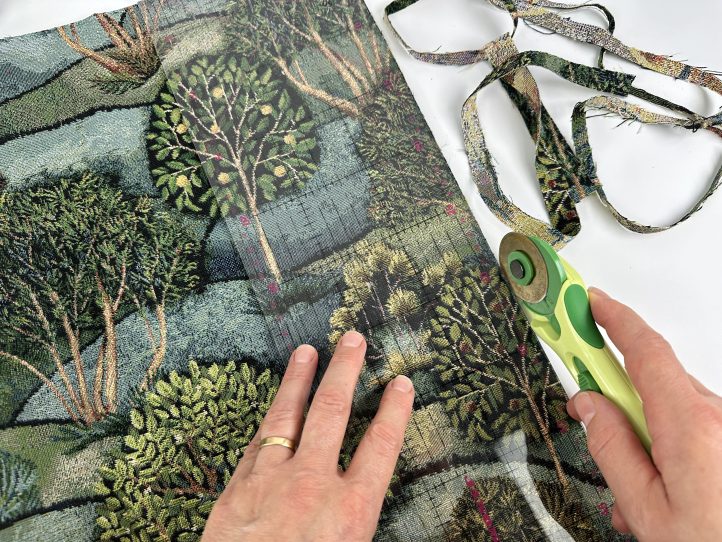
You are aiming to get the largest piece of cloth from your chosen remnant possible and it might not be cut straight.
Next, we miter the corners and get the hem sorted out. Head to your ironing board and fold the remnant edge over by 1/2” to the wrong side all round. Press.
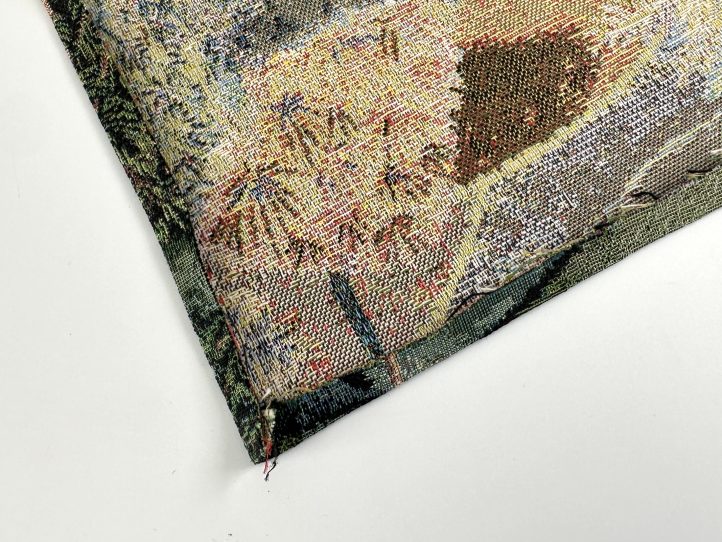
This is where the non-natural fibers can be a bit of a trial. Pure cotton, for example, presses crisply and will stay put and often, man-made fibers do not. Do your best and mind that you don’t scorch the fabric. Use that ironing cloth!
Now go around again almost exactly the same but this time, fold the edge over by 1”.
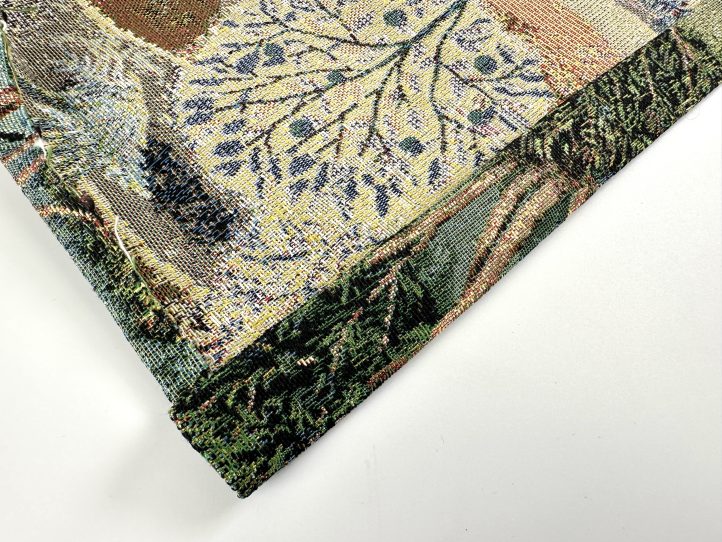
I would pin well at this point, too, because that can help to hold the creases as they cool.
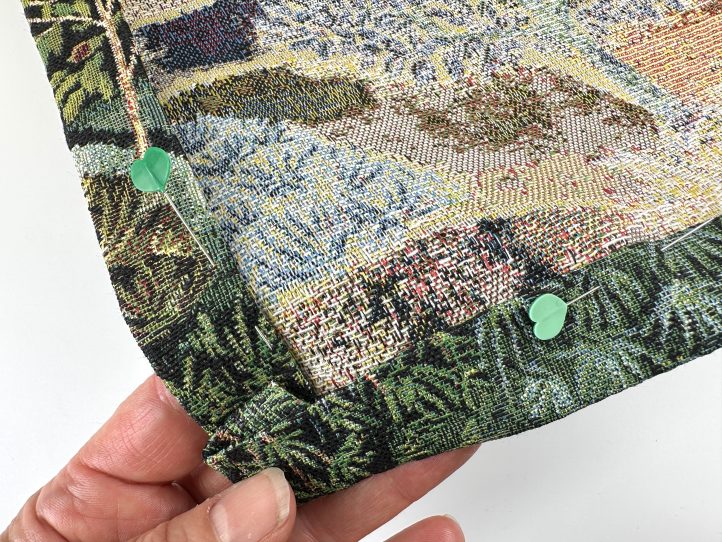
At this point, the corners are just folded over themselves and pressed.
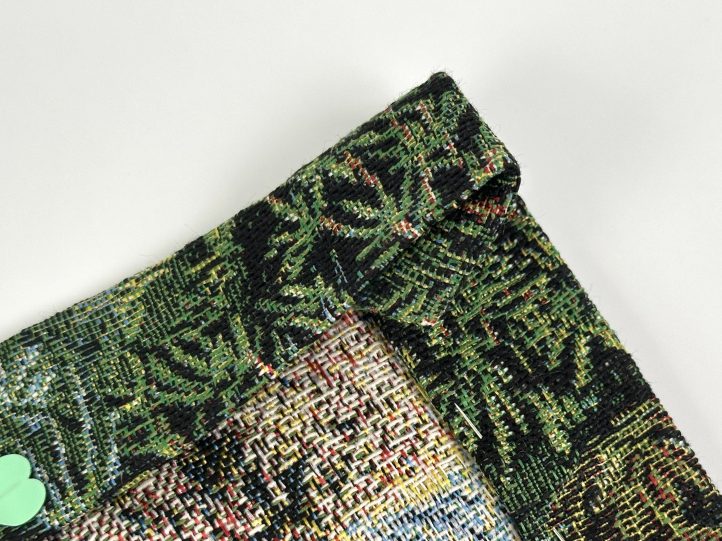
They are rather bulky but they will be sorted out in the next step. The mitering process comes next.
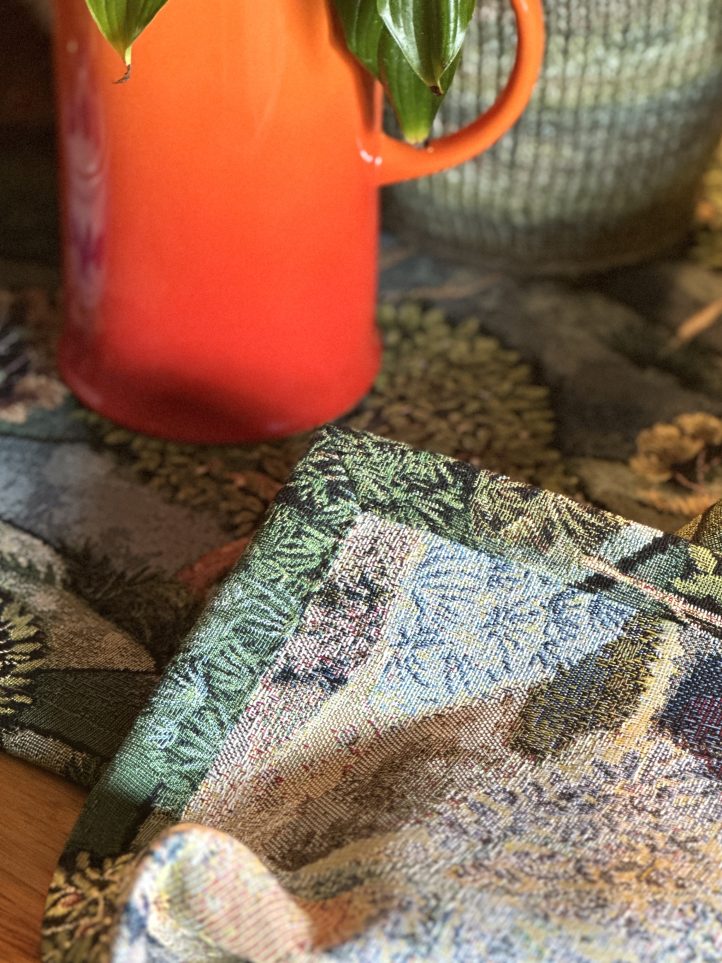
Unfold the edges to the first fold again and fold a corner over so that it measures two inches on each side.
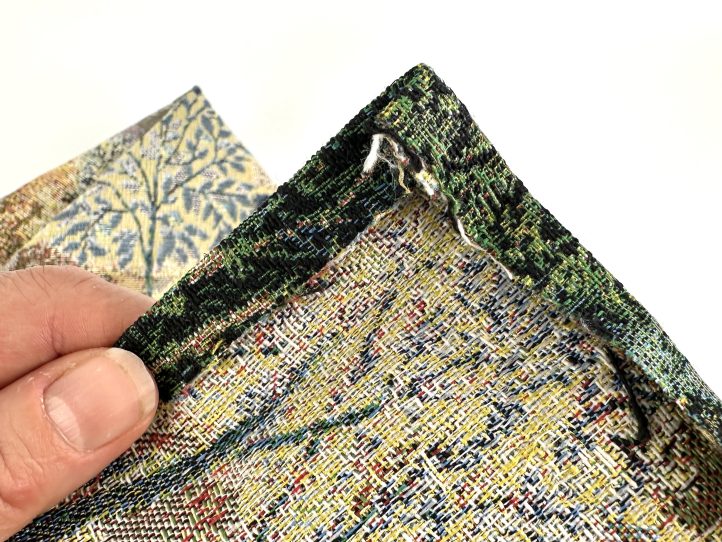
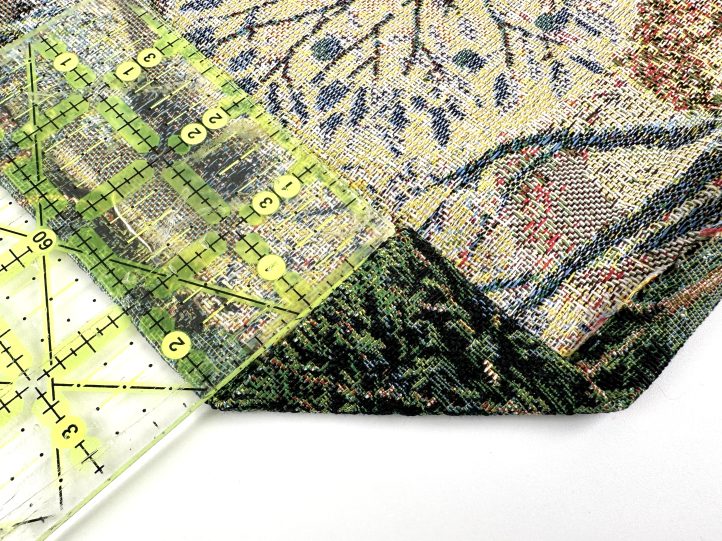
Press and unfold again.
Mark the crosswise crease with your fabric marker.
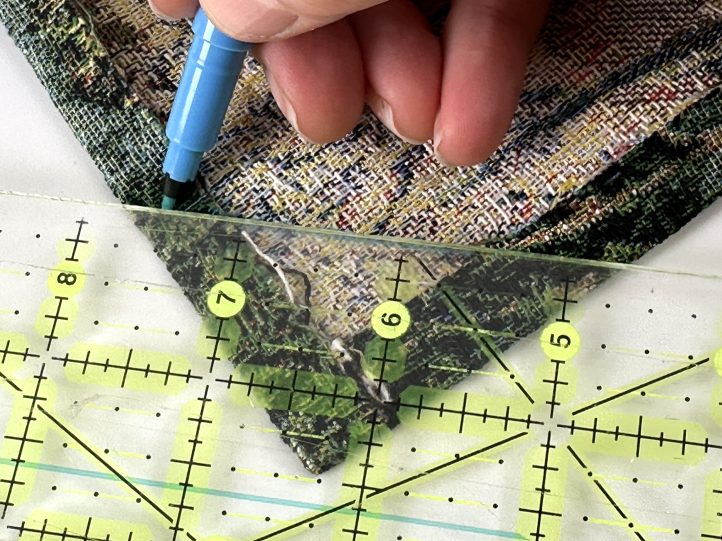
TIP: On darker fabrics or richly colored ones such as mine, a lighter chalk mark is more practical.
Now fold the corner with the right sides together match the line ends and pin.
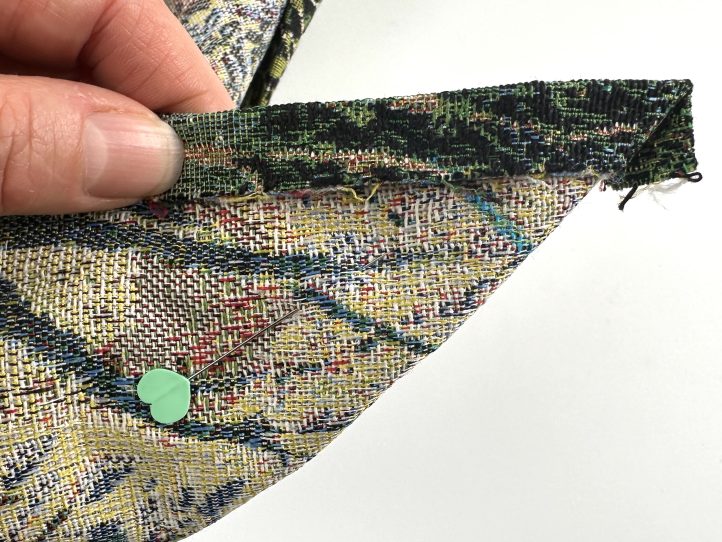
Sew along that line, backstitching at the beginning and end.
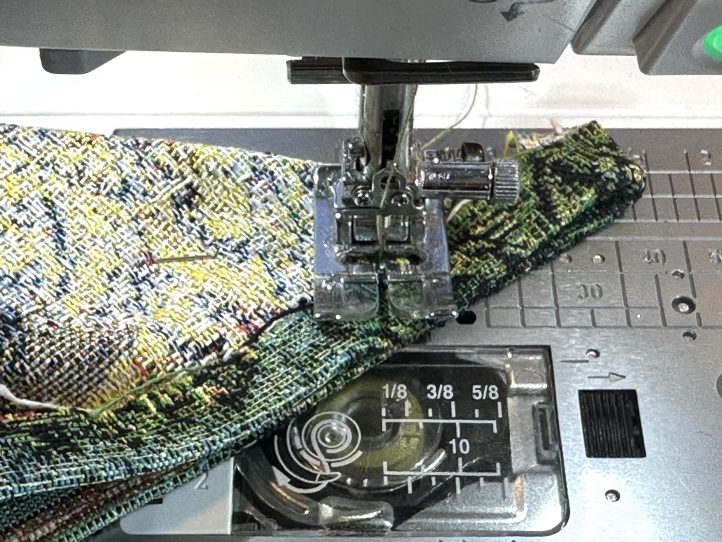
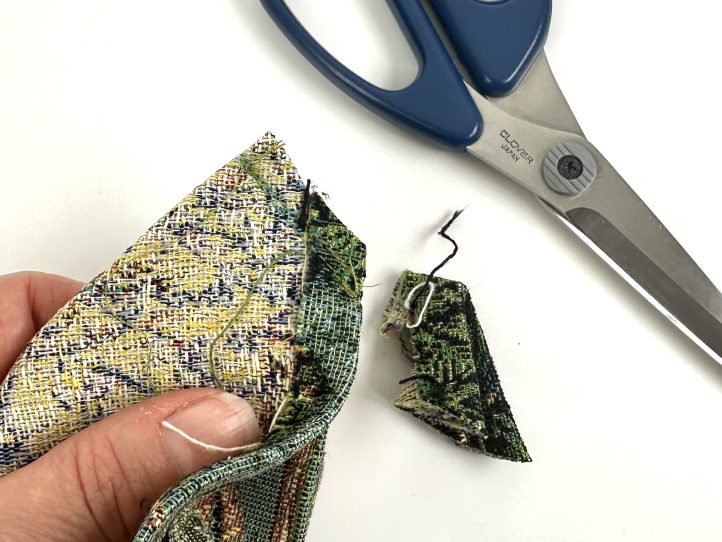
Turn the corner the right way out to test it (at least while you are getting the hang of this). And when you are happy, trim the corner leaving about 1/4”.
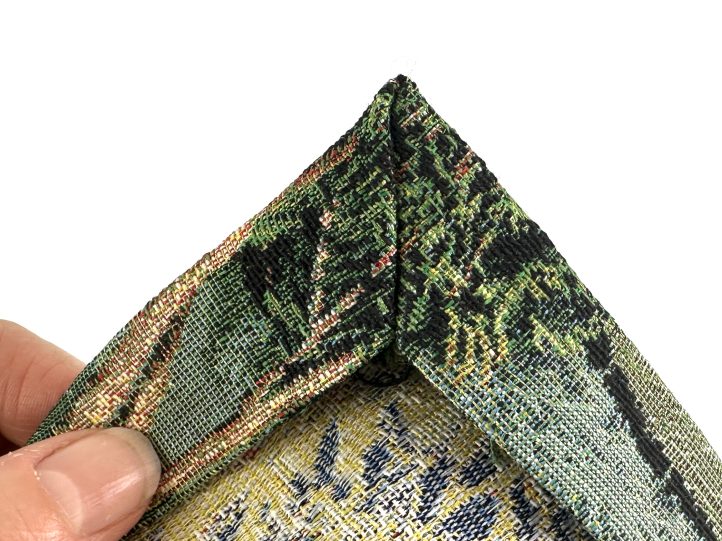
Turn the corner the right way out and press. Repeat for all four corners of the runner.
Give the runner another press and pin the edges down so that they are nice and straight. Topstitch all around to finish.
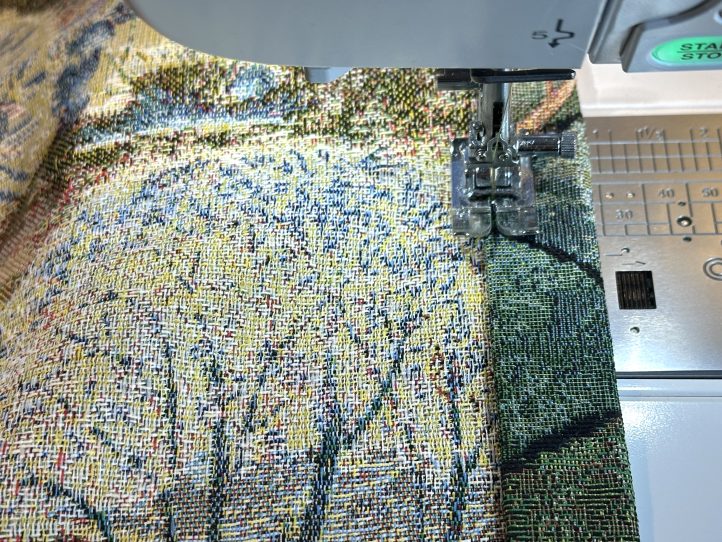
And that’s it! Honestly, it takes way more time to explain than it does to actually do and once you have the hang of it, you will be able to make unique high-end accessories for your home for a tiny fraction of the cost of shop bought.
Is this a digital magazine?
Hi Vicki! We Like Sewing is a digital-only magazine. Please let us know if we can further assist you. Have a great day! – Ashley, We Like Sewing
I can’t wait to try this! there are always so many remnants of this type of fabric at my local store so easy to pick up and go for it!! Thank you so much and I appreciate the time it took you to explain the details! definitely saving these instructions!!!
Thanks so much for your kind comment! Have a great day 🙂 – Ashley, We Like Sewing